ProjectsApril 1, 2024Match Management System
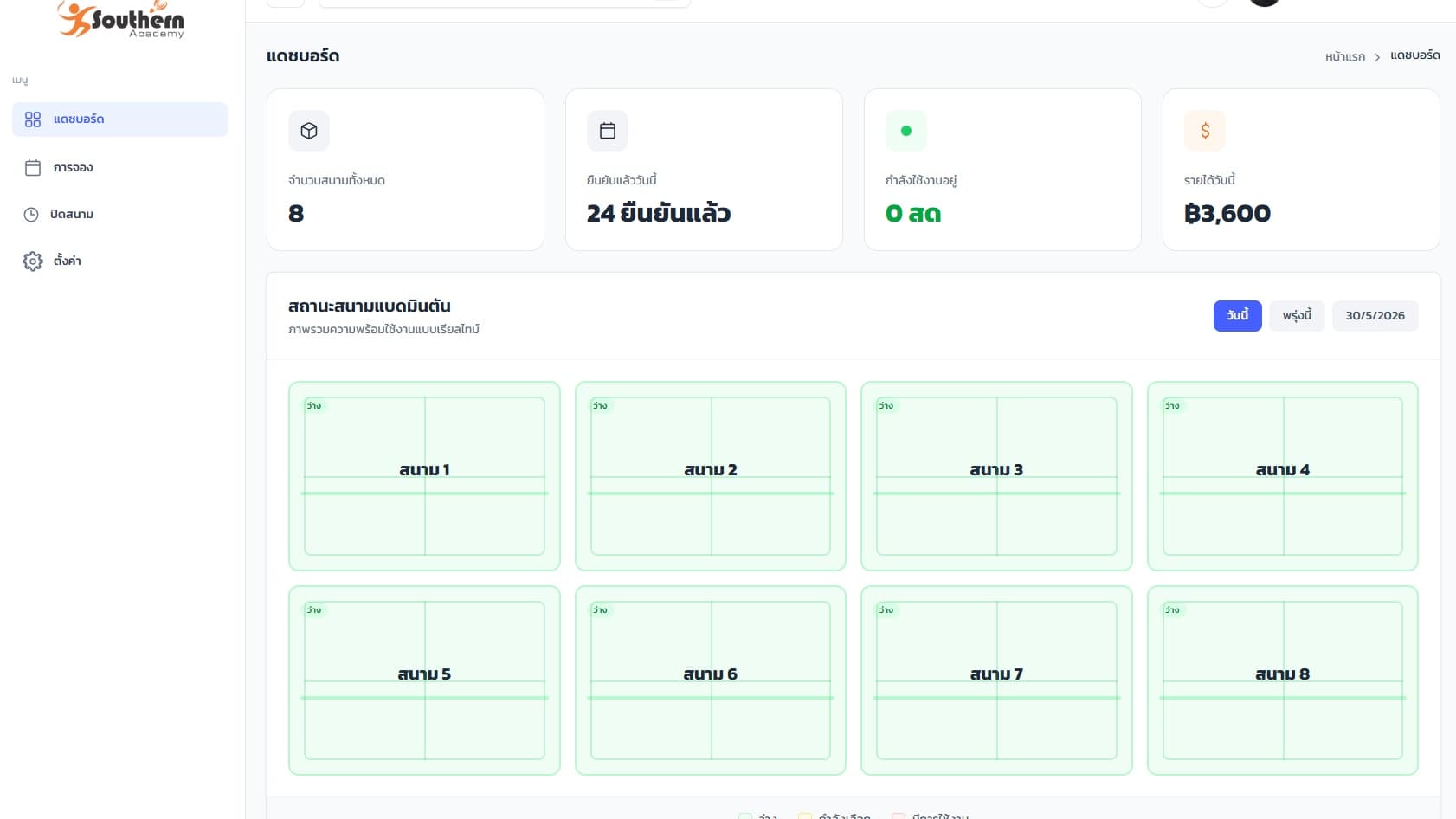
- Match creation and scheduling: Admins can create matches, assign dates and times, and organize key match details in a single flow.
- Participant management: The system supports participant assignment, attendance tracking, and status updates so teams can quickly see who is confirmed and who still needs follow-up.
- Status-based workflow: Each match moves through clear states such as scheduled, active, completed, or canceled, making it easier to monitor progress and avoid confusion.
- Operational dashboard: A centralized dashboard helps admins filter upcoming matches, review active items, and stay on top of daily operations.
- Activity history and notes: Match-related updates, notes, and internal communication are recorded in one place to preserve context and reduce repetitive coordination.
- Responsive interface: The experience was designed to work well across desktop and mobile so updates can be handled quickly from anywhere.
- Next.js: Used to build the application structure, routing, and server-rendered pages.
- React: Powered reusable interface components and interactive management flows.
- TypeScript: Improved data reliability for match states, participant records, and admin actions.
- Supabase: Used for database storage, authentication, and real-time synchronization.
One of the biggest challenges was designing a workflow that stayed simple on the surface while still supporting the real complexity of match operations. Scheduling, participant updates, and status changes all depend on each other, so the system needed to feel intuitive without hiding important information.
Another challenge was deciding how much detail should be visible at each stage. Administrators need enough context to act quickly, but too much information can make the interface harder to scan. That led to a stronger focus on hierarchy, filtering, and status-driven UI patterns.
This project reinforced how valuable operational clarity can be. When the right information is visible at the right time, teams spend less time coordinating manually and more time actually moving work forward.
The result was a more organized match workflow with clearer visibility, better coordination, and less manual overhead. By bringing scheduling, participant tracking, and operational updates into one system, the platform made it easier to manage multiple matches at once and keep each one progressing with a clear status.Related projects
Commission System
A commission workflow system for managing requests, tracking progress, handling approvals, and keeping all project updates in one place.